
Whey Protein 101: What It Is and How It Helps
Wondering what is whey protein, whey protein isolate, or whey protein powder? Here’s a simple guide to understand their benefits and key differences
Wondering what is whey protein, whey protein isolate, or whey protein powder? Here’s a simple guide to understand their benefits and key differences
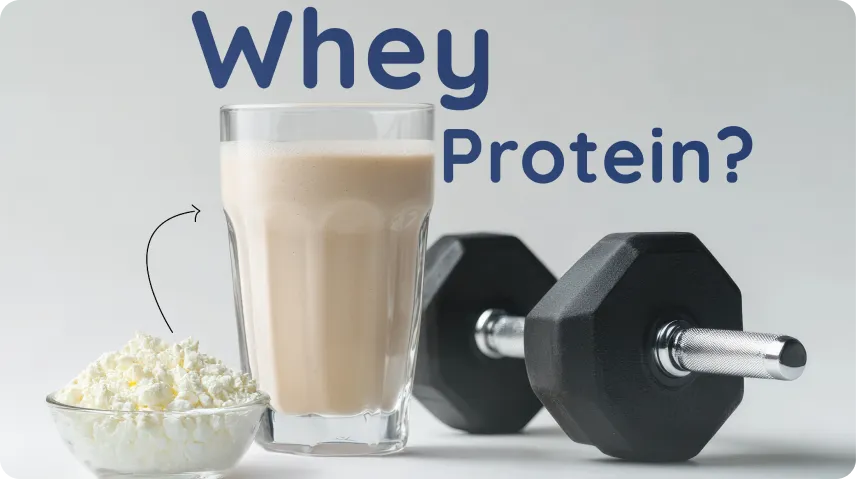
Table of Contents
Keywords:
| what is whey protein | 6,600 |
| what is whey protein isolate | 260 |
| what is whey protein powder | 170 |
What pops into your mind the moment you think about whey protein? More or less, you are bound to imagine a gym buff making their concoction of a protein shake with this ingredient. There isn’t any harm in the notion, because we usually always associate whey with gym goers and fitness enthusiasts. But this ingredient is indeed a nutritional powerhouse that you shouldn’t be missing out on, especially if you are looking to soothe post-workout muscle soreness or simply boost your overall health. So, what is whey protein? Let’s find out through this blog how whey protein makes for a valuable addition to your diet.
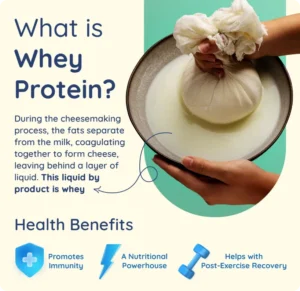
We are generally familiar with whey protein in its powder form as a supplement. However, what is whey protein in actuality? During the cheesemaking process, the fats separate from the milk, coagulating together to form cheese, leaving behind a layer of liquid. This liquid by product is whey. For the longest time, the liquid has been discarded as a waste product. But now, it is recognised for its exceptional nutritional value. Whey protein comprises 20% of milk protein. The high-quality protein source derived from the liquid by product is the infamous whey protein.
Whey protein has an impressive nutritional profile, containing different types of protein and an abundance of amino acids. Interestingly, whey protein has all nine essential amino acids. These may help support nutrient absorption as well as several functions, such as tissue repair throughout the body.
The variety of options available based on the type of whey protein can leave you in a fix. To navigate your options better, it is always best to know the types of whey protein and how they are so different from each other:
Whey protein concentrates are available in various protein concentrations ranging anywhere between 35% to 80% based on the product. It is the most concentrated form of protein supplement, which has high calories and contains all the macro- and micro-nutrients derived from the manufacturing process. Apart from these, it may also further include fat and lactose. If you’re someone who can digest lactose well, this can be the pick for you.
When the whey undergoes an additional purification step to eliminate or minimise the extraneous carbohydrates and fats and to obtain a protein threshold of 90%, it is referred to as whey protein isolate. Although whey protein isolates are a high-quality protein, the purification process often leads to the elimination of some micronutrients. (Compared to WPC, this type has about 90% or more protein by weight. While it may go for a higher price point than WPC, it makes for a great substitute for individuals with lactose sensitivity. However, the concentrates and isolates are composed of large intact protein structures; hence, during digestion, the enzymes in our digestive tract break down these proteins to generate smaller peptides with amino acid sequences.
Whey Protein Hydrolysate is a highly refined form of whey protein produced by breaking down whey concentrates or isolates using enzymes, heat, or acids. This process pre-digests the protein into smaller peptides and amino acids, allowing for faster and more efficient absorption in the digestive system. It is lower in lactose and fat.
We have seen what whey protein is and understood the different types of whey protein you may find in the markets. Now let’s understand the various benefits it may provide to your health:
Whey protein boasts a rich nutritional profile packed with bioactive peptides and all essential amino acids, making it a complete, high-quality protein. Its rapid digestibility also supports muscle recovery and overall health.
For individuals who frequent the gym and are into regular and strenuous exercise training, whey protein can be a medium to increase the protein intake in the body. Consuming a source of protein after resistance exercise is vital to maximize and improve muscle protein synthesis and net protein balance. With time and consistent efforts, the process of improved protein intake shall help in improving the quality and volume of your exercises, apart from reducing muscle soreness.
Whey protein may have a positive impact on supporting heart health by influencing lipid metabolism by reducing cholesterol absorption through its bioactive components, such as beta-lactoglobulin. The synergistic effects of whey protein along with adequate exercise therefore may play a crucial role in heart health by regulating cholesterol metabolism.
Whey protein is rich in several immunoglobulin (Igs) compounds and consists of several different proteins, including α-lactalbumin (α-LA), bovine serum albumin (BSA), β-lactoglobulin (β-LG) and lactoferrin (LF), studied for their immunomodulatory effects on the body’s immune system. The compounds may help increase the glutathione levels, an antioxidant that plays a key role in cellular defense and immune function.
From its humble beginnings as a by-product, over the years, whey protein has truly come into the picture as a nutritional protein source.
Gradually, the world is growing conscious about efficiently including more protein in their diet. This applies whether you are a gym enthusiast or someone who prioritises maintaining a balanced diet with adequate and desired protein intake. For such individuals, understanding what is whey protein in detail can be an integral step towards tailoring their health goals.
That said, always consult your healthcare professional for personalised guidance before adopting to any new changes in your diet, keeping in mind the daily protein intake, physical activity level, body weight, and any other medical history.