
10 Health Benefits of Drinking Water Daily
Discover 10 science-backed reasons why hydration is vital for your heart, skin, digestion, and more. Learn how water boosts your health naturally.
Discover 10 science-backed reasons why hydration is vital for your heart, skin, digestion, and more. Learn how water boosts your health naturally.
Table of Contents
Growing up, we were often reminded about drinking more than a few glasses of water in a day. While those parameters have grown to be highly personalised today (based on your physical exercise and your dietary requirements), the scientific consensus on the importance of adequate hydration remains unchanged. Maintaining water balance is a vital aspect of leading a healthy lifestyle.
Water accounts for 70% of our body weight. It is a constituent of blood and many other vital fluids. It is also known to play a key role in eliminating body wastes and regulation of body temperature.
We have been hearing this time and time again, but why exactly is water important for the body? Take this journey with us to understand the importance of hydration for a positive impact on your body.
Let’s have a closer look at hydration and why is it important for our health:
Yes, our brain relies heavily on water, among other nutrients, to function properly. Hydration plays a critical role in maintaining cognitive performance and overall brain function. Dehydration has been associated with cognitive performance and mood. These symptoms can negatively influence short-term memory, attention, and psychomotor performance. The human brain is highly sensitive to fluid level changes, and even slight dehydration can impair cognitive performance. Staying properly hydrated is vital for supporting optimal cognitive function.
Water is an integral element for supporting the digestive functions of the body. It helps break down food, allowing for nutrients to be absorbed easily. A major part of the consumed water is absorbed by the gastrointestinal tract. This helps in the functioning of regular bowel movements and aids in the management of constipation.
Water plays a critical role in the production of saliva, which is essential for the initial stages of digestion. Saliva not only helps break down food but also keeps the mouth moist, aids in swallowing, and maintains oral hygiene by controlling bacteria. Inadequate hydration can lead to dry mouth, discomfort, and difficulty in eating or speaking.
Skin is the largest organ in our body; and as with any other organ, it needs adequate water balance to function. Skin contains 30% water, which contributes to plumpness, elasticity, and resiliency. Dry skin is characterized by wrinkles and a lack of elasticity. Improved hydration levels in an individual may boost skin health as well as help in transporting the nutrients that the skin cells need. Moreover, it may also encourage collagen formation as water is known to surround the collagen structure and tightly bind to it.
One of the vital reasons for hydration and why it is important is its contribution to maintaining a healthy heart function. Essentially, water helps regulate blood volume and, in turn, blood pressure. Optimal levels of hydration may help keep the blood volume and blood pressure in check.
Interestingly, dehydration is quite a common trigger for headaches. Individuals with headaches due to this may experience migraines, lack of concentration and irritability. Replenishing your body with water may help alleviate the intensity and duration of these concerns.
Another reason why is water important for the body is for optimal kidney function. The organ helps flush the toxins out of our bodies. This is possible only by consuming an adequate amount of water. Consuming enough water promotes kidney functions as lower hydration levels may produce concentrated urine as well as wear and tear of tissues, which may stress the kidney in the long run.
Water plays an important role as a Thermoregulator to regulate the overall body temperature by dissipating heat. There could be several ways that the body can experience water loss. Some reasons may be due to the torrid climate, high levels of physical activity, and the type of clothing.
Your body temperature shall not be optimally maintained if you don’t replace the water you lose via sweat. This is because dehydration causes your body to lose plasma and electrolytes. Thus, drink lots of water if you’re sweating more than usual to prevent dehydration.
Refuelling on water may help lower body temperature and the likelihood of heat stress, as well as conditions such as heatstroke.
Another importance of hydration is to use water as a tool for weight management. Increased intake prior to consuming food may promote a feeling of fullness. This may lead to an overall reduced calorie intake. That said, however, a healthy, balanced diet along with optimum physical activity is required to support your weight management goals.
Engaging in physical activity increases the body’s demand for water. During exercise, the body loses fluids through sweat, and without adequate hydration, this can lead to muscle cramps and dizziness. Whether you’re walking, lifting weights, or playing a sport, maintaining fluid balance is essential to support circulation, joint lubrication, and optimal physical performance.
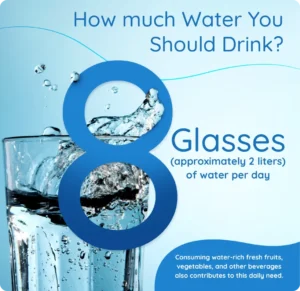
The recommended daily water intake varies based on activity level, gender, height, weight, and other factors. Dietary Guidelines for Indians 2024 suggests that a normal healthy person needs to drink about 8 glasses (approximately 2 liters) of water per day. Consuming water-rich fresh fruits, vegetables, and other beverages also contributes to this daily need.
Consult a healthcare professional for recommendations on guidelines that will work best for you.
Through this journey, we understand why water is important for the body. It is an essential nutrient that supports a multitude of metabolic as well as physiological processes. So, what can you do to ensure an adequate intake of it? Well, firstly, you can start by drinking enough water throughout the day. Monitor your health, rehydrate when you feel thirsty, and practice self-care methods such as incorporating water-rich foods into your diet.