
What Is Muscle Mass? Meaning & How to Maintain It
What is muscle mass? Learn the muscle mass meaning, how to maintain muscle mass, what to do for muscle gain, and the best protein to build muscle mass.
What is muscle mass? Learn the muscle mass meaning, how to maintain muscle mass, what to do for muscle gain, and the best protein to build muscle mass.

Table of Contents
Muscle mass, strength, exercise, and a balanced diet are some terms we unknowingly associate with a gymming enthusiast. But in reality, these are just as important to each one of us. Ever noticed certain individuals getting tired easily, having poor physical performance, and struggling with a substantial lack of strength in their bodies? These issues often stem from a decline in muscle mass, which affects our overall health and daily functioning. As we age, it is essential to be mindful of various changes that occur in our body, especially regarding our body’s muscle mass and strength. Are you excited to gain more insight into the subject? Let’s dive into the details of what is muscle mass, and how to maintain muscle mass to ensure a healthy and strong body to face your day-to-day activities, no matter what life throws at you.
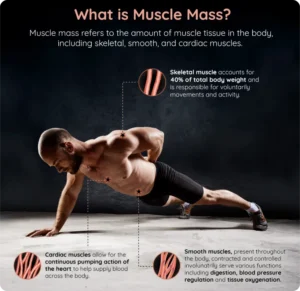
Muscle mass refers to the amount of muscle tissue in the body, including skeletal, smooth, and cardiac muscles. It plays a vital role in overall strength, metabolism, and physical performance. Understanding muscle mass meaning is essential, especially as it relates to age, diet, and physical activity. Increased muscle mass supports better posture, joint protection, and overall health. Let’s explore more about the three primary types of muscle mass for further clarity:
Hence it is integral to comprehend muscle mass meaning to actively build a healthier lifestyle for oneself.
Now, the innate question remains: how do you maintain muscle mass? Well, the answer is simple: a little discipline with a focus on your diet and loads of active movement. Let’s learn in detail more on how to maintain muscle:
We have always heard of the importance of protein in a healthy diet. An adequate intake of healthy protein is essential not only for muscle maintenance but also for growth and repair. A decrease in muscle mass may be accelerated by insufficient protein intake. If you are a vegetarian, then you may boost your protein intake with foods such as tofu, dairy products, and lentils.
Also Read: ‘A Vegan and Vegetarian’s Guide to Protein-Rich Foods.’
Incorporating foods rich in omega-3 fatty acids into your daily diet may also aid in counteracting age-related loss of muscle mass. These may improve muscle mass by regulating inflammation related oxidative damage and therefore may help you in supporting your muscle health.
Along with a balanced diet, try to include exercise in your daily routine. You can always start with brisk walking and work towards strength training (endurance and resistance exercises). These can include weightlifting, resistance band workouts, as well as cycling, swimming, and so on. Engage in at least 30-45 minutes of physical activity of moderate intensity, such as walking, for at least five days a week.
Also Read: Different Exercises to Maintain Muscle Strength
As we grow older, we are bound to lose muscle mass. By incorporating such strategies into our routine while ensuring adequate rest and a balanced diet, it shall help us maintain our muscle mass. Remember that it is never too late to start investing in yourself!