Stress Management: Impact on health, symptoms, and more
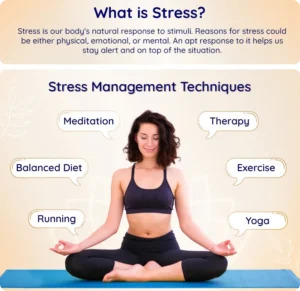
Stress isn’t a foreign concept to us in our daily lives. It is our body’s natural response to stimuli. Now, reasons for stress could be either physical, emotional, or mental. An apt response to it helps us stay alert and on top of the situation. However, if it persists for more than a short amount of time, we may potentially be exposed to chronic stress.
This condition may have negative effects on our physical and mental well-being. Stress may manifest differently at different stages. Initially, it may manifest as changes in sleeping and eating patterns, and mood changes (e.g., not feeling well, irritability, anxiety or sadness, palpitations). If stress persists, eventually we may witness problems related to various bodily functions as well as significant behavioural and mood changes. By understanding the relationship between stress and how it manifests in our lives, we can identify the signs and practice coping mechanisms to boost our overall health.
How does Stress Impact Health?
We may often ponder how to overcome stress. But before that, it is integral to understand the impact chronic stress has on our overall health.
1.Physical health
Physical health is a broad umbrella. It includes a manifold of functions and systems that can be affected due to chronic stress, such as:
Respiratory and Cardiovascular system
Prolonged exposure to chronic stress may lead to cumulative, physiological, and psychological effects, increasing the risk of health problems such as cardiovascular diseases. Stress is recognised as an important issue and can develop the risk of cardiovascular disease. Chronic stress leads to elevated levels of stress hormones such as cortisol and epinephrine. The presence of these stress hormones is studied to promote oxidative stress and inflammation, thereby promoting the development of atherosclerosis and compromising vascular function.
Chronic stress also compromises on immune function, thereby increasing the chances of respiratory infections and worsening conditions such as asthma and chronic obstructive pulmonary disease.
GI system/health
The normal function of the gastrointestinal system can be affected by stress over a long period of time. Certain hormones released during stress are known to regulate various physiological processes, which may affect the absorption process, intestinal permeability, and stomach acid secretion. It is quite common to experience an upset stomach when you’re anxious and under a lot of stress.
Stress impairs the integrity of the gastrointestinal mucosal barrier, leading to increased susceptibility to inflammation and infections. However, chronic stress in the long run may potentially lead to stress-related alterations in gut microbiota, composition, and diversity, which further contribute to various GI inflammatory diseases and dysfunctions, thus highlighting the strong influence of stress on GI Health
Muscular functions
Increased secretion of stress hormones such as cortisol and catecholamines, impacts the musculoskeletal system, which might get manifested into muscle wasting, headaches, and increases the risk of musculoskeletal injuries and back pain.
Immune function
Stress modifies the secretion of hormones that play a critical role in the function of the immune system. Prolonged stress leads to increased cortisol levels, which may affect your immune system by reducing the activity of immune cells that can make your body susceptible to infections, delay wound healing, and may contribute to the development of autoimmune diseases and chronic inflammatory disorders.
2.Mental health
Mental health is the foundation of our emotional, psychological, and social well-being. It influences how we think, feel, and handle everyday stress. Prolonged stress can negatively affect mental health, leading to anxiety, irritability, or even burnout. Perhaps the most well-known impact of stress on mental health is anxiety. However, in the long term, this may lead to hopelessness, burnout, emotional exhaustion, and social avoidance. Therefore, it is integral to keep your mental health in check and find its cause in order to keep our physical and mental wellbeing.
Cognitive function
Studies have shown that being exposed to stress can cause pathophysiologic changes in the brain, and these changes can be manifested as behavioural, cognitive, and mood disorder. Chronic stress may cause structural changes in the brain areas important for cognition and, therefore, potentially impair cognitive abilities, such as concentration and memory, as well as decision-making skills.
Stress Eating and Eating Disorders
Eating disorders are abnormal eating habits that involve either insufficient or excessive food intake that tend to cause harm to an individual’s physical and mental health. Chronic stress is strongly associated with the development of risk of eating disorders like anorexia nervosa, bulimia nervosa, and binge eating disorders.
Persistent amounts of stress lead to elevated levels of cortisol, which, when elevated for a prolonged period of time, can lead to increased food consumption, and thus may also lead to behavioural changes such as eating disorders in the long run.
Common Symptoms of Stress
So how do you identify symptoms to handle stress and pressure better? Here are some ways you can point it out:
- Lack of sleep
- Irregular fatigue
- Muscle tension or tightness
- Digestive issues, such as an upset stomach, diarrhoea or constipation
- Weekend immune system
- Irritability
- Lack of appetite
- Anxiety
- Difficulty, concentrating, or remembering things
- Social withdrawal or isolating yourself from your loved ones
Types of Stress Management Techniques
You may wonder, ‘How can I reduce my stress?’ Here are some coping strategies for stress you may employ:
- Practicing yoga and mindfulness has been shown to positively reduce stress. These yoga practices may include yoga posture exercises, breathing techniques, and meditation to promote relaxation. Some mindfulness practices are being present in the moment, as well as being aware of your surroundings.
- Cognitive behavioural therapy may be used to identify negative thoughts and patterns that may contribute to stress. Whatever your reasons for stress, this therapy helps equip individuals with coping strategies for stress and problem-solving skills to deal with it better.
- Regular physical exercise is one of the most effective ways that may help people handle stress. Moreover, it may also improve your sleep, reduce fatigue, and improve your physical health. Some physical activities are resistance training, endurance training, working, running, swimming, and so on.
Reasons for stress at times seem never-ending. However, understanding how to overcome stress and actively using these strategies can help you lead a more balanced and healthy life. Remember, the goal is to manage it more efficiently so that it minimises any negative impact. That said, always make sure to ask for help when you need it. These types of stress management techniques will help you effectively lead a fulfilling life, one step at a time.
Alongside these strategies, maintaining a balanced diet, especially one rich in protein, is essential for stress management. Protein breakdown may be increased when the body is in a stressed state, leading to lean body mass. Thus Adequate intake is required to help replenish the lost protein. Therefore, consuming a nutritious well-balanced diet along with macro & micro nutrients like Magnesium, Selenium etc. plays a vital role during stress management.
However, do consult a healthcare professional to understand what suits you the best, and get going with a balanced diet, and make sure your protein as well as other nutrient requirements are met.